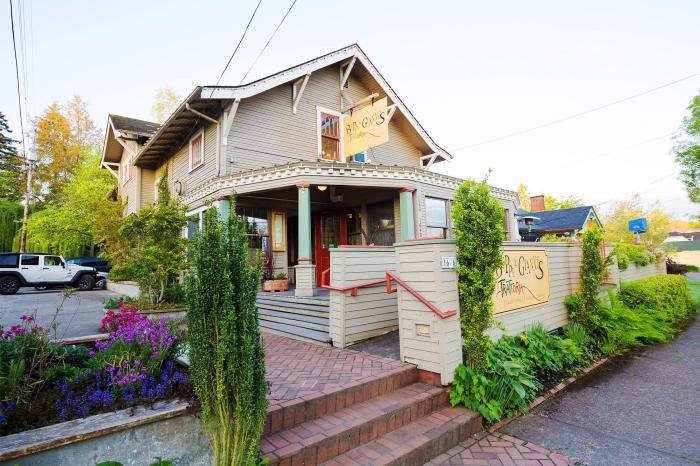
Mixed-use property investment trends are reshaping the real estate landscape, blending residential, commercial, and retail spaces into vibrant communities. These developments represent not just a shift in how we think about property but also a response to the evolving needs of urban living and investment strategies.
Investing in mixed-use properties offers unique advantages over traditional property types, including diversified income streams, enhanced tenant experiences, and increased property value through the integration of amenities and services that cater to modern lifestyles. As urbanization continues to rise, understanding these trends becomes crucial for investors looking to capitalize on future opportunities.
Mixed-Use Property Investment Overview
Mixed-use properties have gained significant traction in the real estate investment landscape. These developments combine residential, commercial, and retail spaces into one cohesive environment, catering to a variety of needs all in one location. Their growing importance in urban planning and investment portfolios is notable, as they maximize land use and enhance community living.Investing in mixed-use developments offers several advantages over traditional property types.
First, they provide diversified income streams by incorporating multiple property types within a single project. This diversification can insulate investors from market fluctuations that typically affect single-use properties. Additionally, mixed-use developments foster vibrant communities, often leading to increased demand and higher property values. The typical structure includes residential units for living, commercial spaces for businesses, and retail components for shopping, creating a lively atmosphere that attracts residents and visitors alike.
Current Trends in Mixed-Use Property Investments
The landscape of mixed-use property investments is constantly evolving. Some of the latest trends include:
- Urbanization: Rapid urbanization is pushing developers to create mixed-use environments that support high-density living while providing essential services and amenities nearby.
- Technology Integration: The incorporation of technology in mixed-use spaces is becoming a norm, enhancing convenience and user experience for residents and businesses.
- Sustainability Focus: There is a growing emphasis on sustainable development practices, with mixed-use properties increasingly incorporating green building technologies and practices to attract eco-conscious investors.
Urbanization significantly impacts mixed-use developments, as more people move to urban areas seeking convenience and lifestyle options. As such, cities are adapting their infrastructure to support these integrated communities. Furthermore, technology plays a critical role in shaping mixed-use property trends, facilitating smart building solutions and connectivity, while sustainability measures are increasingly becoming a priority for developers and investors alike.
Impact of Real Estate Market Trends on Mixed-Use Investments
Broader real estate market trends have a profound influence on mixed-use property investment opportunities. For instance, the increasing demand for urban living spaces can drive up property values and rental rates in mixed-use developments. In contrast, fluctuations in the economy can lead to a reassessment of property values.When comparing performance, mixed-use properties often outperform single-use properties, especially in thriving urban centers.
The diversification of income sources mitigates risks associated with economic downturns. Key economic factors, such as interest rates and employment rates, also play a crucial role in shaping the viability of mixed-use investments. Low interest rates typically encourage borrowing, boosting real estate investments, while high employment rates increase demand for housing and commercial space.
Innovations in Smart Home Technology for Mixed-Use Properties
Smart home technology is revolutionizing residential units within mixed-use developments. Integration of devices like smart thermostats, security systems, and energy-efficient appliances not only enhances resident comfort but also increases property value. These innovations lead to better energy management and convenience, creating appealing living spaces.For example, a mixed-use development may feature smart lighting systems that adjust based on occupancy or energy-efficient HVAC systems that optimize energy consumption.
Such technologies not only improve the tenant experience but also have positive implications for property management efficiency. However, implementing smart solutions can pose challenges, such as the need for robust infrastructure and addressing privacy concerns of residents.
The Role of Luxury Real Estate in Mixed-Use Developments
Luxury homes have found a prominent place in mixed-use developments, appealing to high-end investors seeking exclusive living experiences. The integration of upscale amenities like concierge services, gourmet restaurants, and premium retail options significantly enhances the attractiveness of these properties.The market demand for luxury amenities in mixed-use properties is on the rise, as more affluent individuals seek convenience and quality in urban living.
Successful examples of luxury mixed-use developments, such as those in metropolitan areas like New York City and San Francisco, showcase impressive investment returns and high occupancy rates, illustrating the potential of this market segment.
Commercial Real Estate Dynamics in Mixed-Use Properties
Commercial spaces within mixed-use developments play a crucial role in driving overall investment returns. These spaces attract a diverse range of businesses, from cafes and shops to offices, contributing to the vibrancy and functionality of the community. Such a mix not only enhances the living experience for residents but can also lead to increased foot traffic and visibility for businesses.Businesses that thrive in mixed-use environments include local boutiques, restaurants, and service providers, which cater to both residents and visitors.
A comparative analysis reveals that leasing trends for commercial spaces in mixed-use properties often outpace those in traditional settings, as the integrated nature of these spaces fosters a more dynamic marketplace.
Future Outlook for Mixed-Use Property Investments
The future of mixed-use property investments looks promising, with several potential trends on the horizon. Demographic shifts, such as the rise of millennials and Gen Z in the housing market, are expected to influence the development of mixed-use properties. These generations prioritize convenience and community-centric living, which aligns with the mixed-use model.Investors looking to enter the mixed-use property market in the next decade should consider creating spaces that cater to evolving demographic preferences, such as integrating wellness features and flexible workspaces.
A strategic approach that emphasizes sustainability, technology, and community engagement will position investors for success in the dynamic mixed-use landscape.
Final Review
In summary, mixed-use property investments are at the forefront of real estate innovation, driven by urban growth, technological advancements, and changing consumer preferences. As we look ahead, the potential for these properties to shape vibrant, sustainable communities presents exciting opportunities for investors ready to adapt to the evolving market landscape.
Expert Answers
What are mixed-use properties?
Mixed-use properties combine residential, commercial, and retail spaces in a single development, creating a multifunctional environment.
Why are mixed-use investments beneficial?
They offer diversified income sources, cater to urban living needs, and often see higher appreciation due to their desirable locations and amenities.
How does urbanization affect mixed-use developments?
Urbanization increases demand for mixed-use spaces as more people seek convenience and accessibility in densely populated areas.
What role does technology play in mixed-use properties?
Technology enhances tenant experiences through smart home integrations and improves property management efficiency.
What trends should investors watch in the mixed-use market?
Investors should pay attention to sustainability initiatives, luxury amenity demand, and shifts in demographic preferences influencing development.


