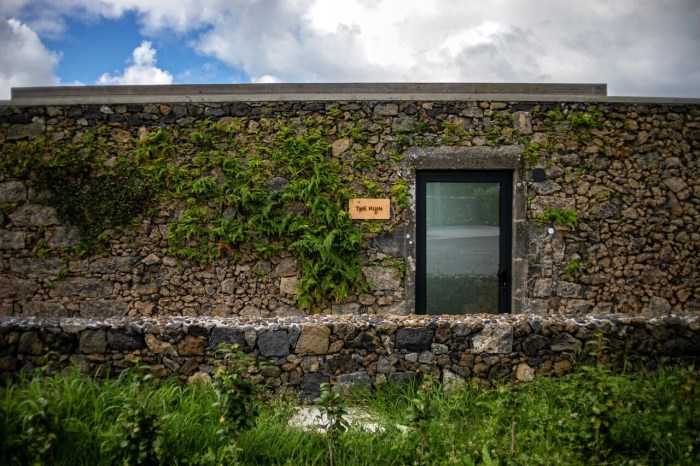
Adaptive reuse zoning trend is revolutionizing urban development by breathing new life into old structures and fostering sustainable growth. This innovative approach transforms unused or underutilized buildings into vibrant spaces that serve modern needs, all while preserving historical significance. As cities evolve and demographic shifts take place, adaptive reuse emerges as a practical solution that benefits local communities and enhances economic vitality.
By allowing developers to repurpose existing buildings, adaptive reuse zoning not only alleviates the pressure of urban sprawl but also contributes to a greener environment. From residential homes to commercial properties, this trend is reshaping the real estate landscape and promoting sustainability, making it an essential aspect of contemporary urban planning.
Understanding Adaptive Reuse Zoning
Adaptive reuse zoning refers to the practice of repurposing old buildings for new uses while retaining their historical features. This approach is increasingly significant in urban development as cities strive to maintain their cultural heritage while accommodating growth. By integrating new functions into existing structures, adaptive reuse helps to preserve architectural history while promoting sustainable urban environments.Key benefits of adaptive reuse for local communities include:
- Contribution to economic revitalization through job creation and increased property values.
- Reduction of urban sprawl by utilizing existing structures instead of developing new ones.
- Preservation of cultural and historical heritage, contributing to community identity.
Common zoning regulations that support adaptive reuse projects often include flexibility in building codes, incentives for preservation, and streamlined approval processes. These regulations encourage developers to consider adaptive reuse as a viable option for urban renewal.
The Role of Adaptive Reuse in Real Estate Investment
Adaptive reuse projects present unique opportunities for real estate investors. By transforming older buildings into desirable spaces, investors can tap into niche markets that appreciate the character and history of these properties. Moreover, adaptive reuse often requires lower initial investments compared to constructing new buildings from the ground up.Financial implications favor adaptive reuse in various aspects:
- Reduced construction costs thanks to existing infrastructure.
- Potential for higher return on investment due to unique property attributes that attract buyers.
Successful case studies, such as the transformation of an old textile mill into luxury loft apartments, illustrate the profitability of adaptive reuse. These projects often attract premium rents and offer a competitive edge in the market.
Current Trends in the Real Estate Market
The real estate market is currently witnessing trends that favor adaptive reuse. There is a growing demand for unique living spaces that reflect individuality and character, driving interest towards repurposed buildings. Additionally, demographic shifts, such as the rise of millennials and urban professionals, influence adaptive reuse zoning strategies by prioritizing walkable neighborhoods and mixed-use developments.Insights into sustainability trends show that adaptive reuse aligns well with eco-friendly practices.
By rehabilitating existing structures, developers minimize waste and reduce the environmental impact associated with new construction. This synergy between adaptive reuse and sustainability is increasingly appealing to environmentally conscious buyers.
Smart Homes and Adaptive Reuse
Integrating smart home technology into adaptive reuse projects enhances their appeal and functionality. Features such as smart thermostats, advanced security systems, and energy-efficient appliances not only improve the living experience but also add significant value to the property.Emerging smart home features being incorporated into reused spaces include:
- Connected lighting systems that enhance ambiance and energy efficiency.
- Home automation systems that allow remote control of various functions.
Examples of adaptive reuse properties incorporating smart solutions underline the trend. For instance, an old school building transformed into a smart residential complex showcases how technology can breathe new life into historical spaces.
Commercial Real Estate and Adaptive Reuse
Adaptive reuse significantly impacts the dynamics of the commercial real estate market. Many businesses seek unique office spaces that reflect their brand identity, making repurposed buildings an attractive option. Properties such as warehouses, factories, and historic storefronts are often ideal candidates for adaptive reuse.Successful examples of commercial adaptive reuse projects demonstrate the benefits:
- A former bank transformed into a trendy co-working space, attracting startups and freelancers.
- A renovated movie theater turned into a vibrant food hall, enhancing local dining options.
These projects not only revitalize neighborhoods but also contribute to local economies by attracting new businesses and foot traffic.
Luxury Homes in Adaptive Reuse
The luxury home market is influenced by adaptive reuse as it offers unique properties that appeal to high-end buyers. Features like original architectural details and bespoke finishes draw luxury buyers who appreciate the character and history of these homes.Design elements that attract luxury buyers often include:
- Open floor plans that maximize space and light.
- High-end materials and finishes that complement historic features.
Case studies of luxury adaptive reuse homes underscore their market performance. Properties formerly used as industrial sites or historic hotels have been successfully converted into high-end residences, commanding premium prices.
The Future of Luxury Real Estate and Adaptive Reuse
Future trends in luxury real estate indicate a strong potential for adaptive reuse zoning to reshape the landscape. As buyers increasingly value sustainability and uniqueness, adaptive reuse projects are likely to gain traction among luxury developers.The potential for adaptive reuse to redefine luxury real estate includes:
- Integration of eco-friendly practices that resonate with affluent buyers.
- Creation of exclusive communities within repurposed buildings that foster a sense of belonging.
Strategic plans for integrating adaptive reuse in luxury real estate portfolios may involve identifying underutilized historic properties and assessing market needs. By aligning these projects with current consumer preferences, developers can position themselves at the forefront of the evolving luxury market.
Closing Notes
In conclusion, the adaptive reuse zoning trend stands at the forefront of modern real estate development, offering a compelling blend of sustainability, economic growth, and community enhancement. As cities continue to adapt to changing needs and preferences, the ability to repurpose existing structures will play a crucial role in shaping our urban environments for generations to come. Embracing this trend not only preserves the past but also paves the way for a more sustainable future.
FAQs
What is adaptive reuse zoning?
Adaptive reuse zoning refers to the practice of modifying zoning laws to allow for the conversion of old buildings for new purposes while maintaining their historical integrity.
What are the benefits of adaptive reuse?
Benefits include economic revitalization, preservation of heritage, reduced environmental impact, and increased community engagement.
How does adaptive reuse impact property values?
Adaptive reuse can enhance property values by creating unique spaces that appeal to buyers and tenants looking for character and sustainability.
Are there any challenges associated with adaptive reuse?
Challenges may include navigating complex zoning regulations, potential structural issues, and the costs associated with renovations.
How does adaptive reuse contribute to sustainability?
By repurposing existing buildings, adaptive reuse reduces the need for new construction, conserves resources, and minimizes waste, promoting a more sustainable urban environment.