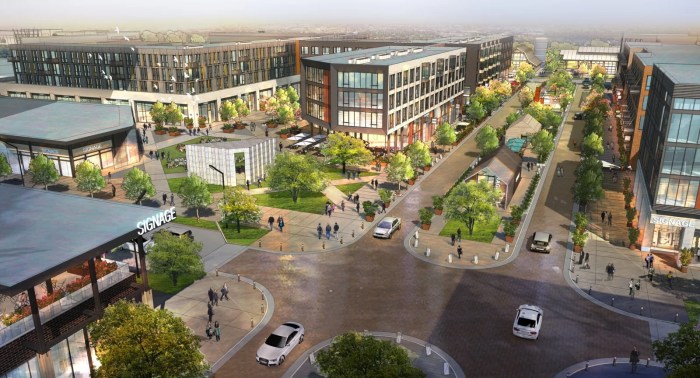
Mixed-use zoning opportunities present a thrilling avenue for urban development, blending residential, commercial, and recreational spaces into cohesive communities. This innovative approach not only enhances city life but also fosters economic growth and connectivity among various sectors.
By embracing mixed-use zoning, cities can revitalize neighborhoods, attract diverse businesses, and create environments where people live, work, and play all in one place. Successful examples from cities around the globe demonstrate the potential of this zoning strategy to meet the needs of modern urban populations.
Definition of Mixed-Use Zoning
Mixed-use zoning is a type of urban planning that combines residential, commercial, and sometimes industrial spaces within a single area. This approach is significant as it promotes walkability, reduces dependency on vehicles, and fosters a sense of community. Cities like New York, with its vibrant mixed-use neighborhoods such as SoHo, and San Francisco’s Mission District showcase successful implementations where living, working, and leisure spaces coexist seamlessly.
The benefits of mixed-use zoning extend beyond convenience; they enhance local economies, attract diverse populations, and provide sustainable solutions to urban growth challenges.
Successful Examples of Mixed-Use Developments
Cities worldwide have embraced mixed-use developments with great success. Notable examples include:
- The High Line, New York City: This elevated park integrates green spaces with residential and commercial developments, creating a unique urban experience.
- South Bank, London: This area revitalized the riverfront with housing, arts venues, and eateries, encouraging community engagement.
- Brickell City Centre, Miami: A dynamic blend of retail, office, and residential spaces that has transformed Miami’s skyline.
The advantages for communities and businesses are clear: increased foot traffic, improved property values, and a vibrant local culture.
Opportunities in Mixed-Use Zoning
The potential for mixed-use zoning developments is vast, particularly in urban locations that are undergoing revitalization. Areas near transit stations, former industrial zones, and underutilized city blocks present significant opportunities for development.
Innovative Concepts for Mixed-Use Projects
Innovative concepts can redefine how mixed-use spaces function, integrating residential, commercial, and recreational areas harmoniously. Some examples include:
- Vertical Gardens: Incorporating greenery within high-rise developments to enhance aesthetics and air quality.
- Community Spaces: Designing shared areas that promote social interactions, such as parks and event spaces.
- Adaptive Reuse: Transforming historical buildings into mixed-use developments while preserving their architectural integrity.
Local government policies play a crucial role in influencing mixed-use zoning opportunities. Incentives like tax breaks or streamlined permitting processes can encourage developers to pursue mixed-use projects.
Real Estate Investment in Mixed-Use Developments
Investing in mixed-use developments offers several financial advantages, including diversified income streams and lower vacancy rates.
Financial Advantages and ROI Trends
Data indicate that mixed-use properties often yield higher return on investment (ROI) compared to traditional single-use properties. For instance, a report by the Urban Land Institute found that mixed-use developments can outperform single-use properties by as much as 20% over a ten-year period. Investors should consider several factors when evaluating mixed-use properties, such as location, surrounding amenities, and market demand.
Real Estate Market Trends Related to Mixed-Use Zoning
Current trends in the real estate market strongly favor mixed-use zoning developments. The demand for integrated living and working spaces has surged, particularly among millennials and Gen Z, who prioritize convenience and community.
Performance Comparison of Mixed-Use vs. Single-Use Properties
Historical data reveals that mixed-use properties typically perform better than their single-use counterparts. For example, a study by RealtyTrac showed that mixed-use developments have maintained a lower vacancy rate during economic downturns.Demographic shifts, including an increase in urban living and remote work opportunities, significantly impact the demand for mixed-use developments. People are seeking environments that offer both lifestyle and convenience.
Integration of Smart Home Technology in Mixed-Use Developments
Smart home technology is revolutionizing mixed-use residences, enhancing comfort, security, and energy efficiency.
Benefits of Smart Technology in Mixed-Use Developments
Integrating smart technology within commercial spaces can lead to more efficient operations and improved customer experiences. Examples of innovative smart home features include:
- Smart Thermostats: Allowing residents to control heating and cooling remotely for energy savings.
- Smart Security Systems: Enhancing safety with real-time monitoring and alerts for both residents and businesses.
- Automated Lighting Systems: Offering customized lighting options that can be controlled via smartphone apps.
Commercial Real Estate in Mixed-Use Zoning
Commercial real estate plays a pivotal role within mixed-use developments, offering diverse business opportunities and enhancing the overall vibrancy of the area.
Types of Businesses Thriving in Mixed-Use Environments
Various types of businesses thrive in mixed-use environments, including:
- Cafes and Restaurants: Benefiting from foot traffic and local patrons.
- Retail Shops: Attracting both residents and visitors to the area.
- Co-working Spaces: Catering to remote workers and freelancers looking for flexible work environments.
Case studies such as The Grove in Los Angeles illustrate how successful commercial spaces within mixed-use properties can create a bustling atmosphere that attracts diverse clientele.
Luxury Homes in Mixed-Use Developments
Luxury homes in mixed-use neighborhoods offer unique appeal, combining upscale living with vibrant community life.
Buyer Preferences for Luxury Living
Buyers are increasingly drawn to luxury living in urban areas with mixed-use zoning due to the convenience of having amenities close by. Mixed-use developments enhance the lifestyle of luxury homebuyers by providing:
- Access to Exclusive Amenities: Such as upscale retail and fine dining options.
- Community Engagement: Opportunities for social interactions and events.
- Enhanced Security: With controlled access and advanced security features typical in luxury developments.
Future of Luxury Real Estate and Mixed-Use Zoning
Emerging trends are poised to shape the future of luxury real estate within mixed-use settings.
Impact of Remote Work on Luxury Mixed-Use Developments
Lifestyle changes driven by remote work are increasingly influencing luxury mixed-use developments. As remote work becomes a norm, the demand for spacious, adaptable living arrangements with integrated workspaces is rising. Potential market changes could include shifts towards larger units that accommodate home offices, along with an emphasis on community features that promote interaction among residents. Investors should pay attention to these evolving preferences to capitalize on upcoming opportunities in the luxury real estate market.
Final Review
In summary, mixed-use zoning opportunities offer a pathway to enriched urban living and sustainable development. As cities evolve, embracing this zoning model could be key to fostering vibrant communities that respond to the changing dynamics of modern life.
Question & Answer Hub
What are the key benefits of mixed-use zoning?
Mixed-use zoning enhances community connectivity, supports economic growth, and offers diverse living environments that cater to various lifestyles.
How can local governments support mixed-use developments?
Local governments can encourage mixed-use developments through favorable zoning regulations, incentives for developers, and investment in infrastructure improvements.
Are there specific challenges associated with mixed-use zoning?
Challenges can include regulatory hurdles, potential conflicts between residential and commercial uses, and the need for effective management of shared spaces.
How does mixed-use zoning impact property values?
Mixed-use developments often lead to higher property values due to their desirable locations and the diverse amenities they offer to residents and businesses.
What role does sustainability play in mixed-use zoning?
Sustainability is central to mixed-use zoning, promoting efficient land use, reduced transportation needs, and environmentally friendly building practices.


